
Outdoor deployment blueprint
Outdoor transit network: street, concourse and control room
A transit blueprint with eight high-brightness street displays, four outdoor floor-standing units, concourse hanging screens and a control-room video wall, all under one monitoring routine.
- 22
- screen units
- 4
- display models
- 4
- deployment stages
Deployment blueprints are representative configurations. Final bills of materials depend on a site survey, power availability and the content management platform you choose.
Project scope
What this blueprint covers.
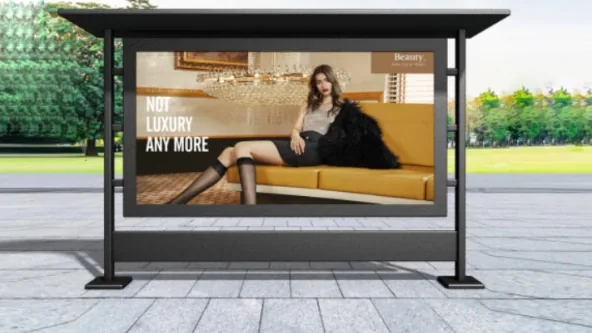
- Eight 55-inch high-brightness wall displays at street-level entrances.
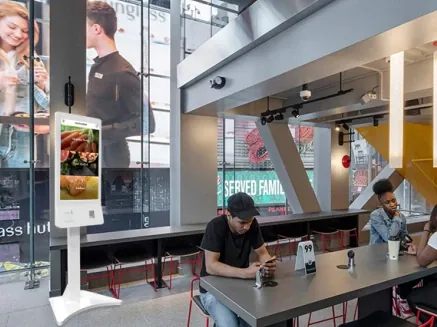
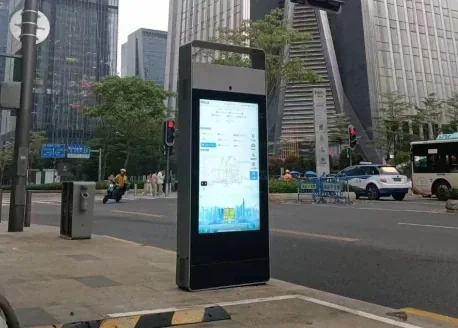
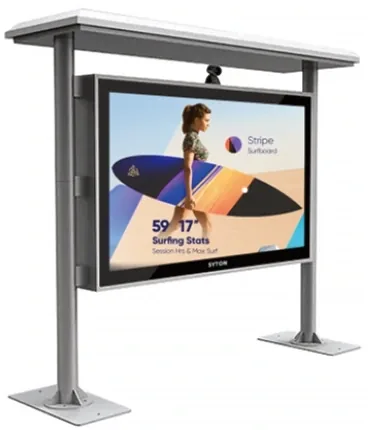
- Four outdoor floor-standing units for platform and forecourt information.
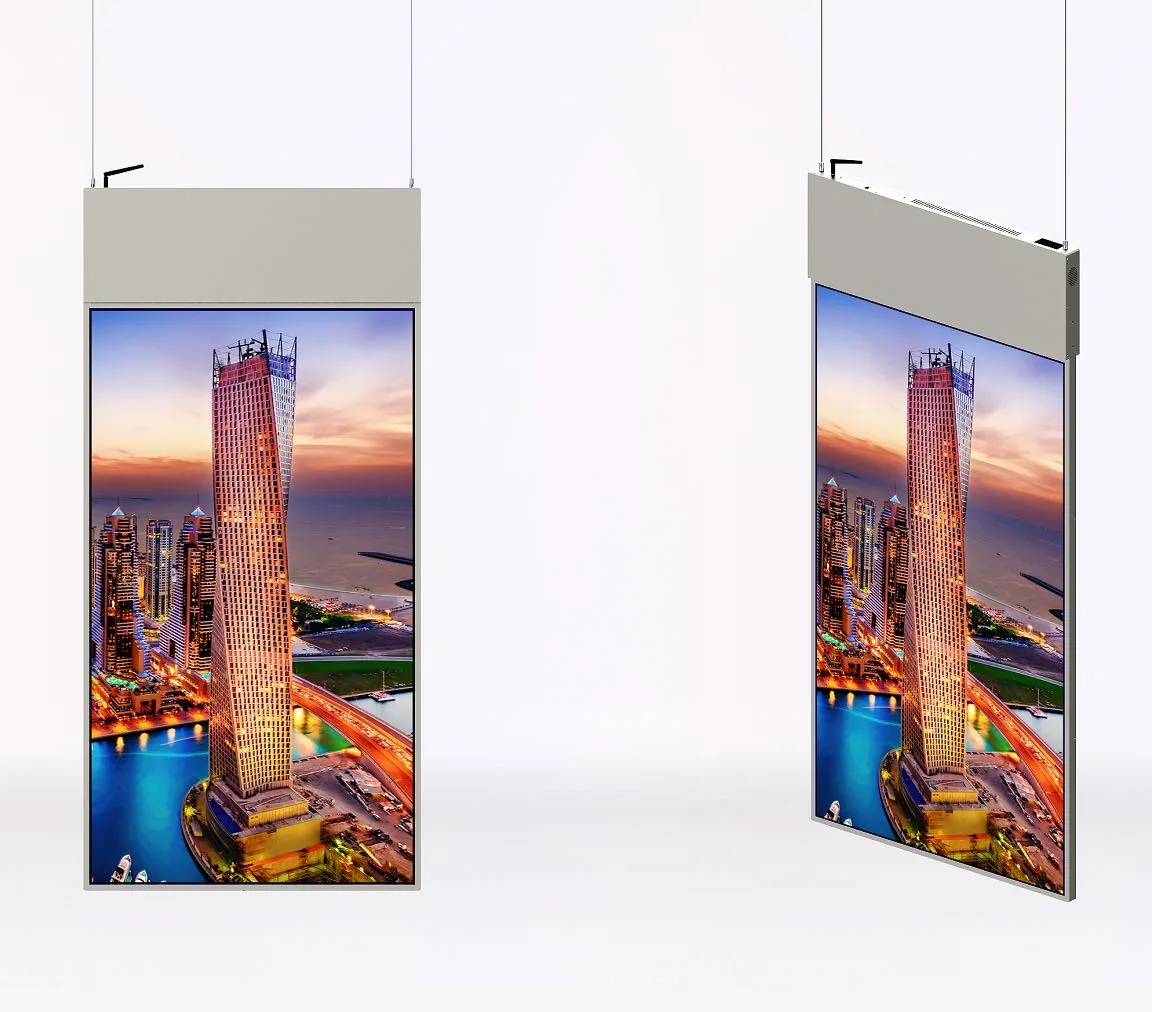
- Six 55-inch double-sided hanging displays in the concourse.
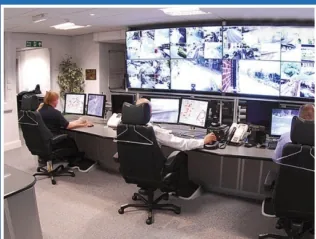
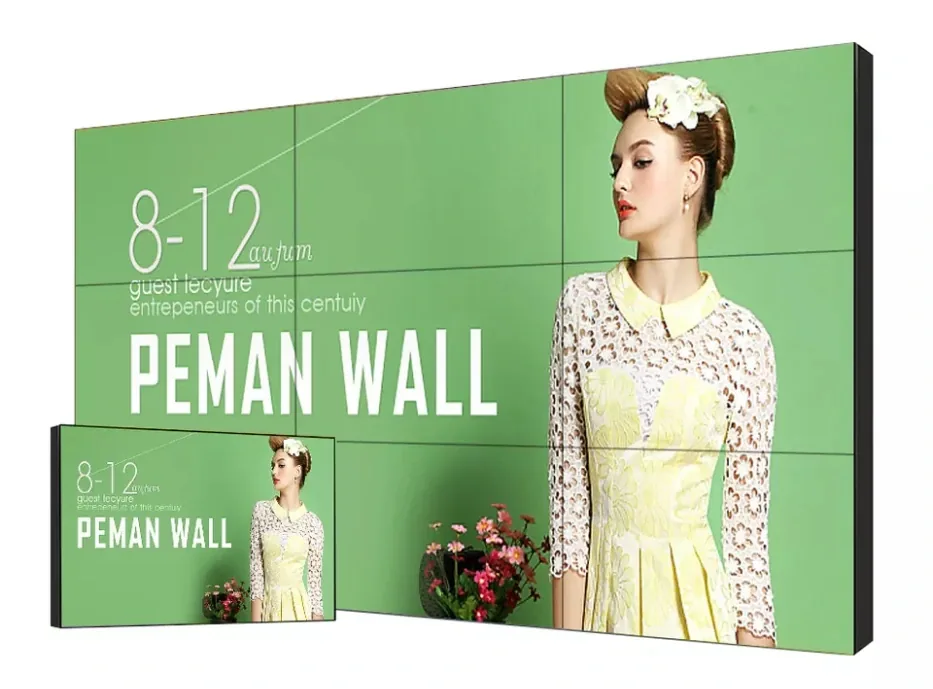
- A 2×2 video wall in the control room for operations and emergency messages.
Typical equipment mix
Typical equipment mix.
| Model | Quantity | Role in the deployment |
|---|---|---|
| SD-G550W | 8 | 55-inch high-brightness street display |
| SD-L650H | 4 | 65-inch outdoor floor-standing display |
| SD-G550D | 6 | 55-inch double-sided hanging display |
| SD-G460J | 4 | 46-inch video-wall panels, 2×2 |
Content and operations workflow
How content and operations run.
- 01
Operations owns the information zone; marketing owns the advertising zone. The two zones never overlap.
- 02
An emergency message template can override the advertising playlist from the control room.
- 03
Brightness follows the light sensor; the night schedule is checked monthly.
- 04
A monitoring dashboard lists offline players, cabinet temperature and failed uploads.
Commissioning checklist
Checked item by item before handover.
- Verify IP rating, drainage and cable glands on every outdoor cabinet.
- Measure cabinet temperature at midday and confirm the cooling method.
- Test surge protection and earthing at each power point.
- Check the high-brightness panel at the worst sun angle.
- Confirm the emergency override procedure with the operations team.
Site references
Typical views from this deployment type.
Displays used in this blueprint
Display families used in this blueprint.
Frequently asked questions
Questions buyers ask before this type of rollout
What keeps an outdoor screen readable at midday?
Brightness, contrast and surface treatment work together. A 2,500–3,500 cd/m² panel with a high-contrast, anti-glare surface is the starting point. Confirm the worst-case sun angle and the content’s white level; a white full-screen ad needs more headroom than a dark information board.
How do we protect the cabinet from rain?
Use an IP55/IP65 cabinet, correct cable glands, a drainage path and a service gap. Do not install under a leaking downpipe or in a location where water can pool at the base. Inspect the gaskets after the first heavy rain and add the check to the maintenance schedule.
How is emergency content handled?
Keep a pre-approved emergency template and a documented override procedure. The control room should be able to replace the advertising playlist with the emergency message from one interface. Test the override before the system goes live and record who is authorised to trigger it.
What is the service plan for street-level screens?
Plan quarterly inspection of gaskets, fans, filters and brightness; keep a spare player and a spare panel for critical locations. For street-level units, use tamper-resistant fixings and a front-service design where possible. Record the maintenance access method in the site file.
Have a similar site?
Send photos, dimensions and power locations. We will map the display positions and propose a bill of materials.