
Outdoor advertising
Outdoor Advertising & DOOH
Outdoor advertising combines high brightness, weather protection, heat management and remote content delivery. The display must be specified for the exact sun exposure and enclosure, not just for the screen size.
Last reviewed:
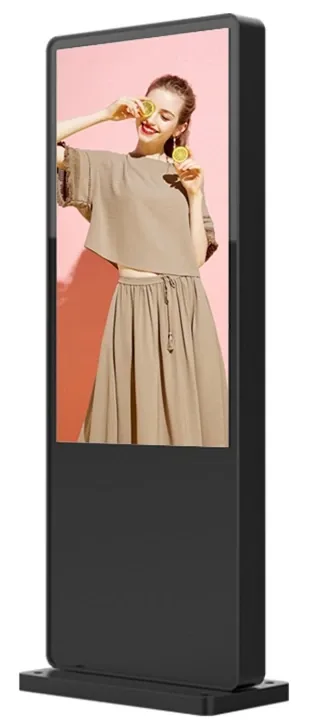
What the environment demands
Start with the constraints.
- Direct sun can make a 700 cd/m² indoor panel unreadable within minutes.
- Rain, dust and temperature swings attack the cabinet, not just the screen.
- Advertising campaigns change frequently and must be delivered remotely.
- Service access on a street or façade is expensive and visible to the public.
How we configure it
Then fix the display configuration.
- Specify 2,500–3,500 cd/m² for direct-sun façades; 1,500 cd/m² may suit a shaded or covered position.
- Use an IP55/IP65 enclosure with fan or air-conditioner cooling, and confirm the drainage path.
- Add a light sensor and a remote CMS so brightness and content follow the daypart.
- Specify front-service access and a spare-parts plan before the campaign starts.
What a good deployment changes
What changes when the configuration is right.
The campaign remains readable in daylight instead of washing out.
The cabinet survives rain and heat without premature panel failure.
Content is changed remotely without a site visit.
A failed unit is detected and serviced before it becomes a blank street asset.
Recommended display types
Display families for this application
| Recommended family | Screen size | Brightness | Installation |
|---|---|---|---|
| Outdoor Digital Signage | 32–86 inch | 1,500–3,500 cd/m² (high-bright families) | — |
| Double-Sided Hanging Displays | 32–55 inch | 350+350 to 400/700 cd/m² | — |
| Custom & Specialty Displays | — | — | — |
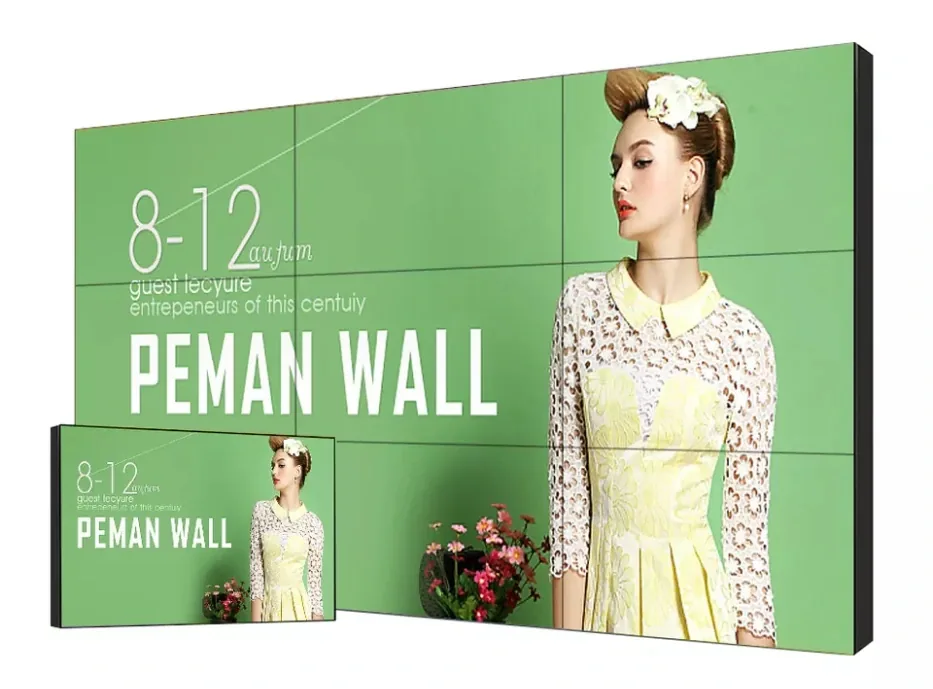
| LCD Video Walls | 46–55 inch | 500 / 700 cd/m² | — |
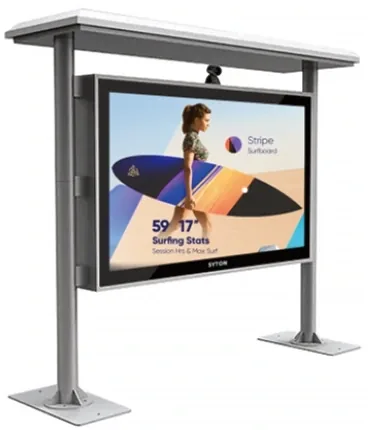
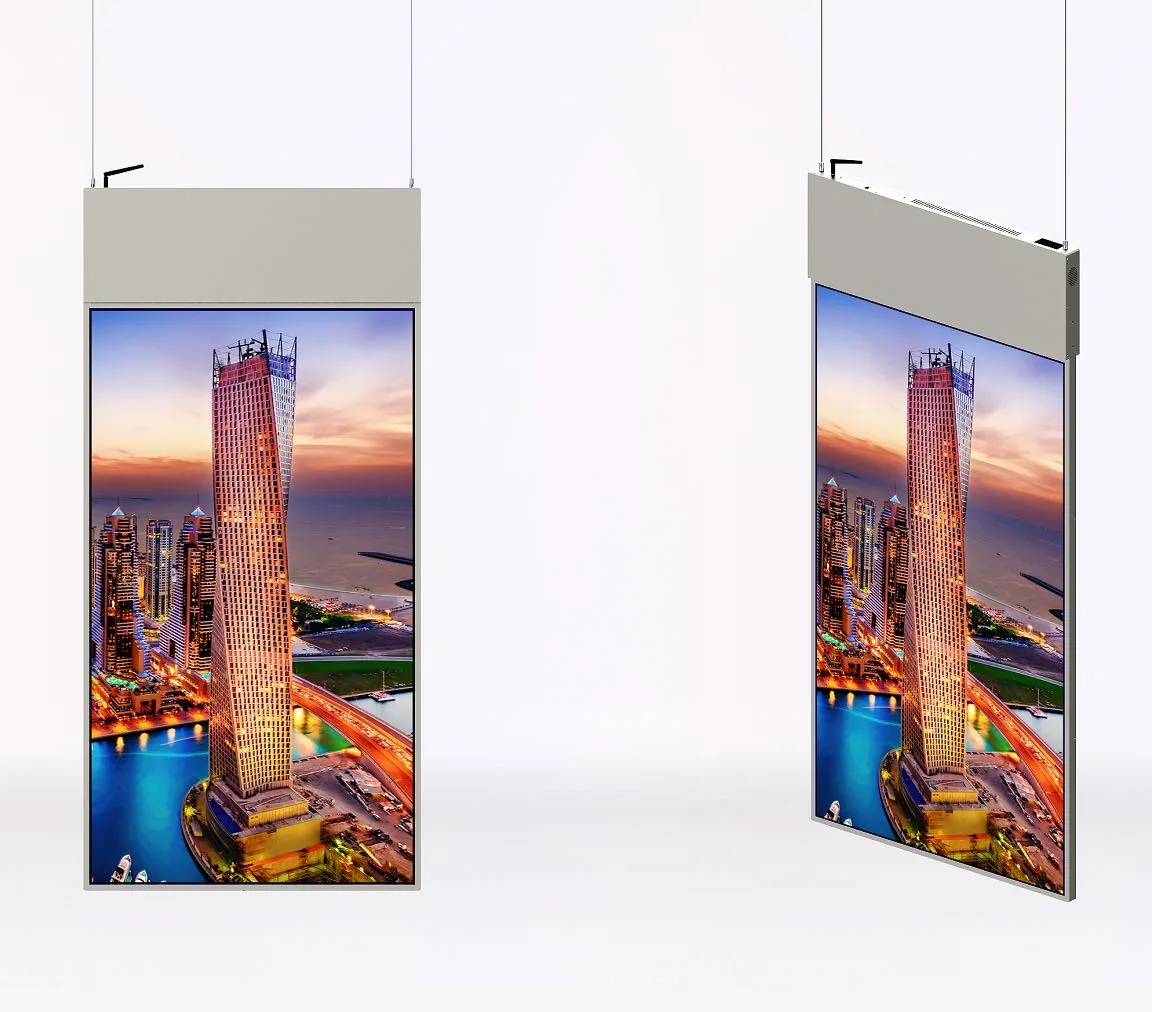
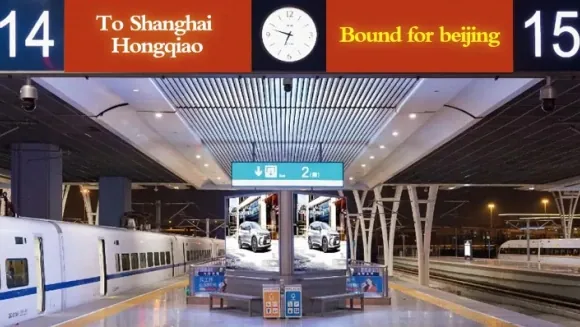
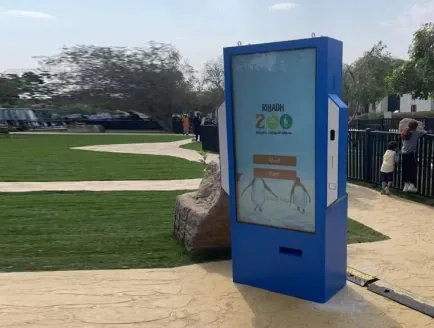
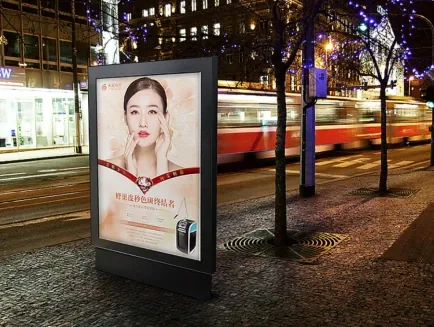
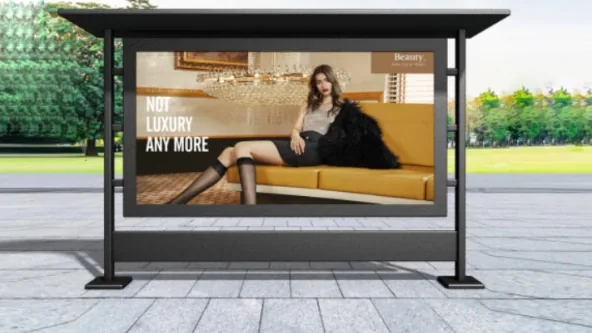
Site references
Typical views from this application.
Frequently asked questions
Questions buyers ask about this application
How bright should a DOOH screen be?
For direct sun, 2,500–3,500 cd/m² is the working range; for a shaded position, 1,500 cd/m² can be enough. White content needs more headroom than dark content. Specify the orientation, the hours of direct sun and the content’s white level, and confirm the panel with a site photo.
Is IP65 enough for a street installation?
IP65 protects against dust and water jets, but it is not a complete installation standard. The cabinet still needs correct drainage, cable glands, a service gap and a structural mount. Confirm the enclosure rating in writing and inspect the first installation.
Fan or air conditioner for a hot city?
In a hot climate with direct sun, an air conditioner is usually necessary because a fan pulls hot ambient air into the cabinet. A fan can work in a cooler, shaded site with a filtered intake. The decision should follow a temperature measurement at the actual location.
How is content delivered to the screen?
Use a network player with a CMS for scheduled campaigns, or a 4G router where wired network is unavailable. Keep a local copy of the current campaign so the screen continues playing if the network drops. Confirm the remote restart and monitoring capability.
Planning a site rollout?
Send the floor plan, mounting points and campaign schedule. We will turn them into a display list and content zones.